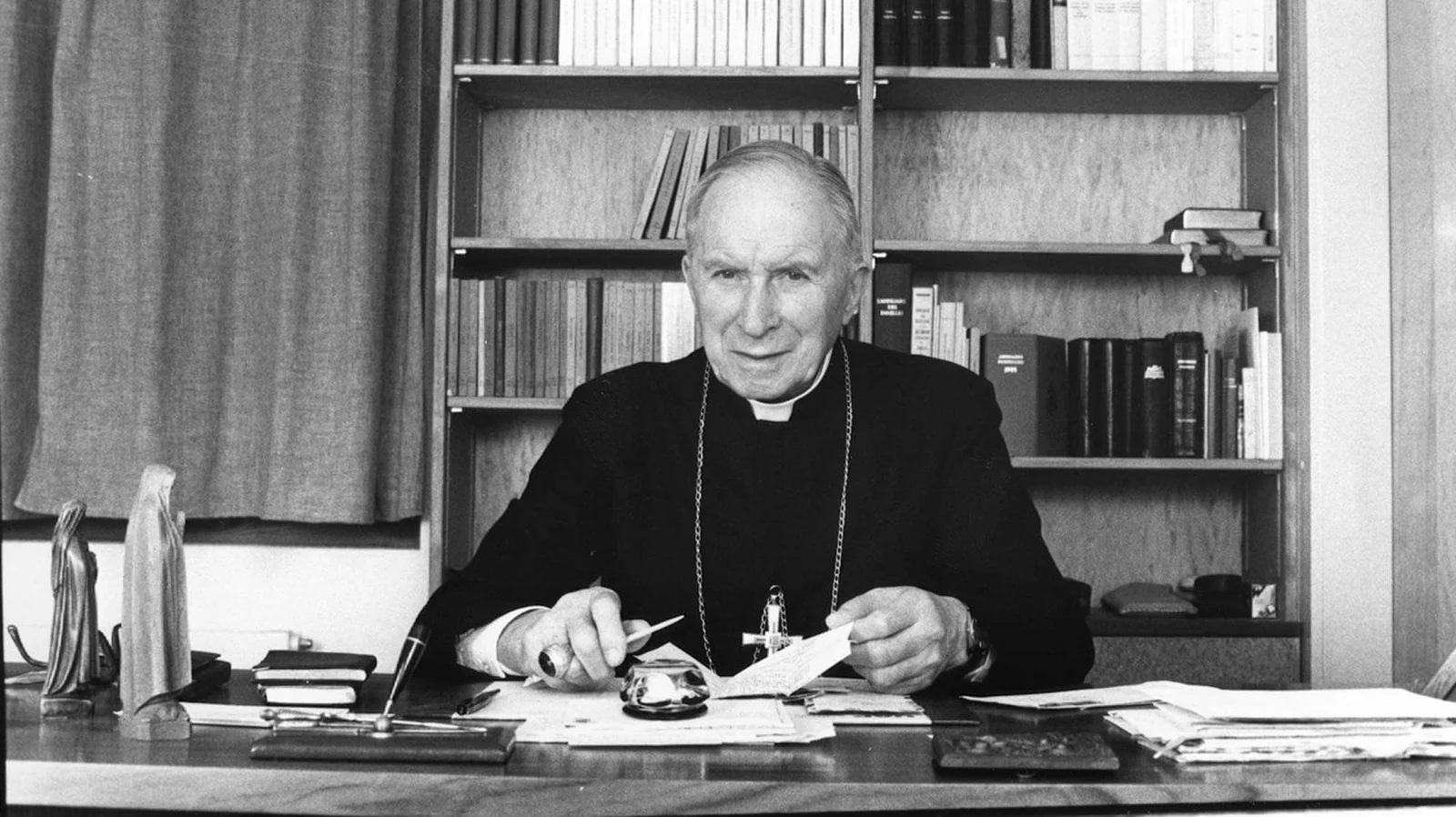
Following the suppression of the Society in 1975, the conflict deepened. Lefebvre continued priestly ordinations despite Roman prohibitions and was suspended a divinis in 1976. Meetings, correspondence and proposed agreements continued over the following years. The dispute was not only about ceremonial practice: it involved doctrine, ecclesiastical obedience and who could authorize a continuing institutional life for the Society.
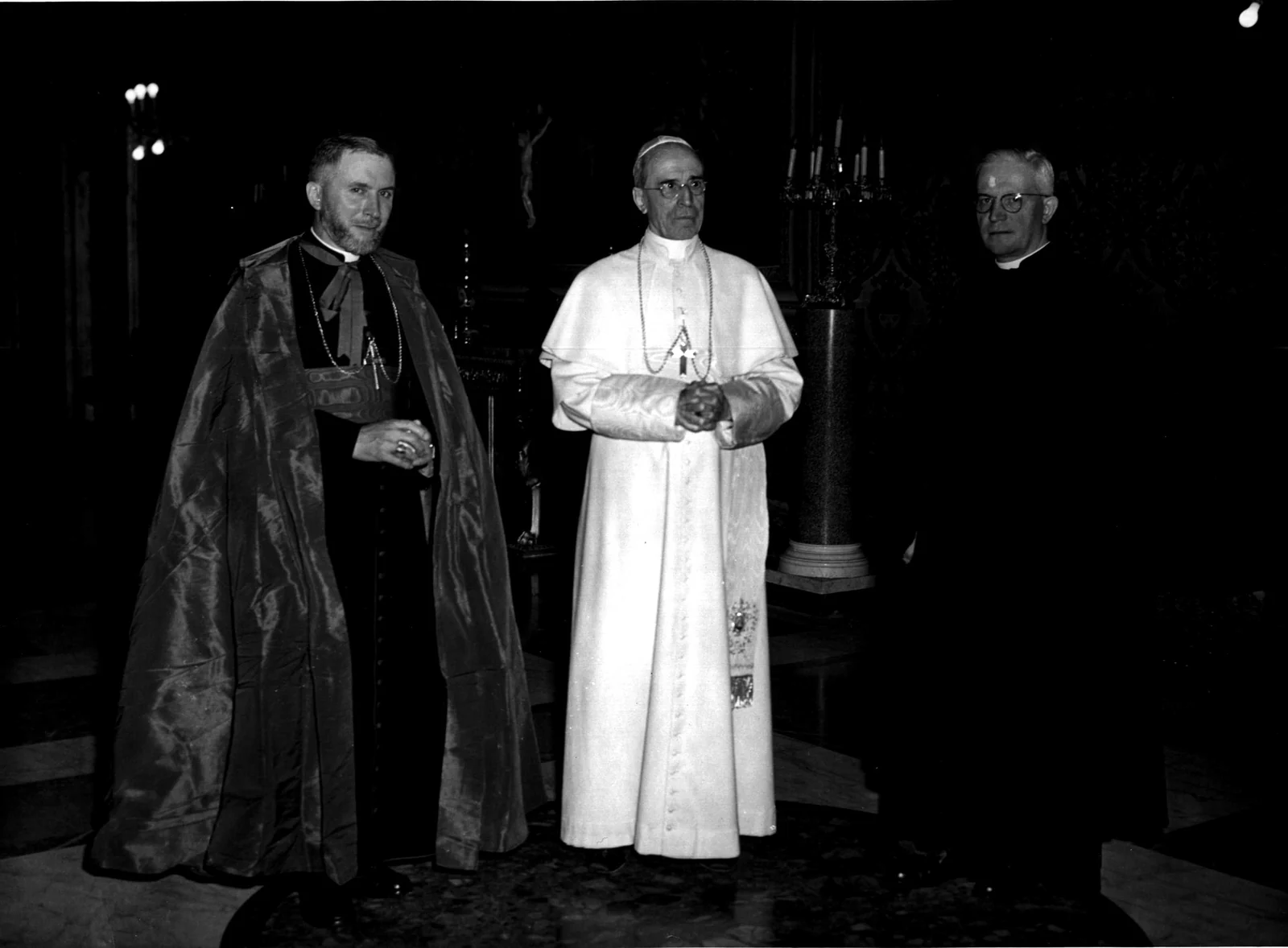
On May 5, 1988, Lefebvre signed a protocol with Cardinal Joseph Ratzinger. Agreement briefly seemed possible. He then judged that the promised arrangements did not give sufficient assurance of a successor bishop in time. He feared that the work of formation, ordinations and confirmations would be left without the episcopal ministry it required. He described his decision as “Operation Survival of Tradition.” That was his explanation of necessity, not authorization from the pope.
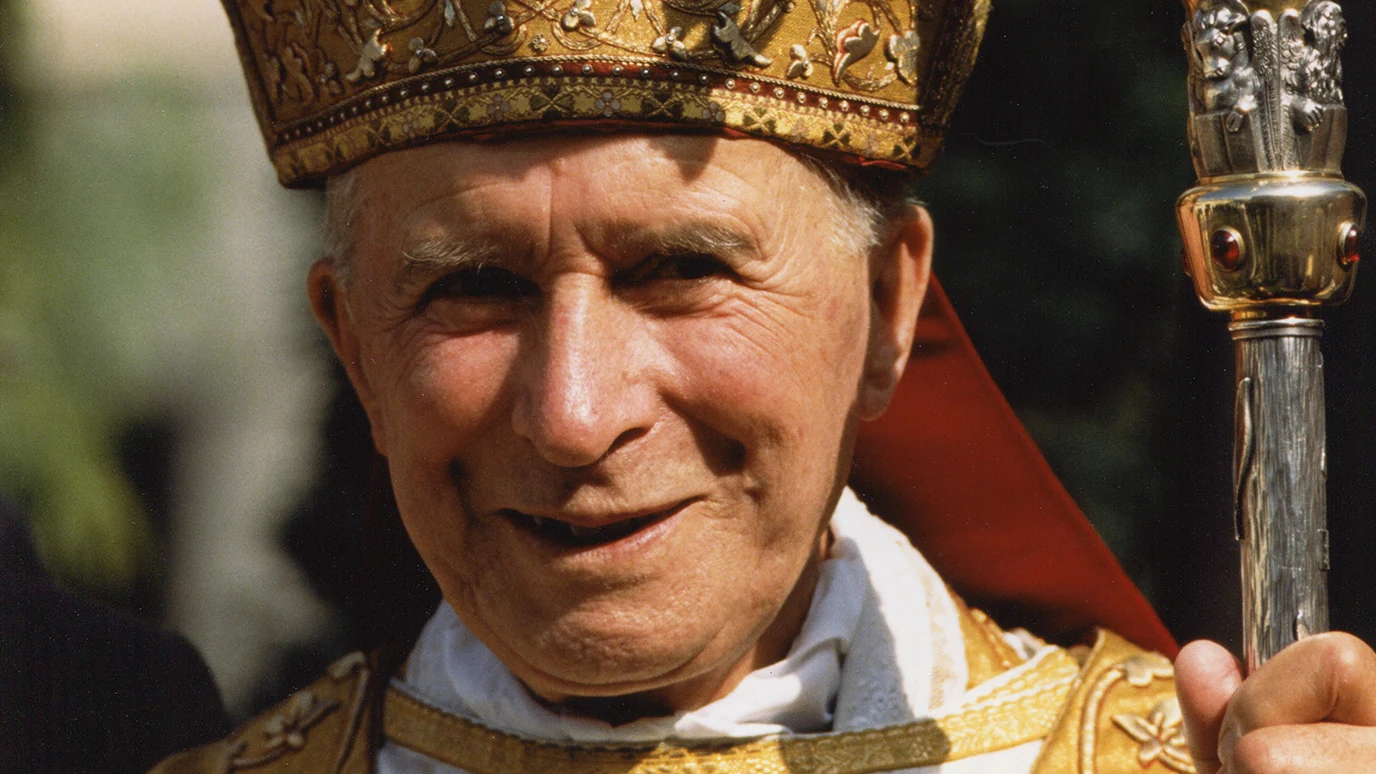
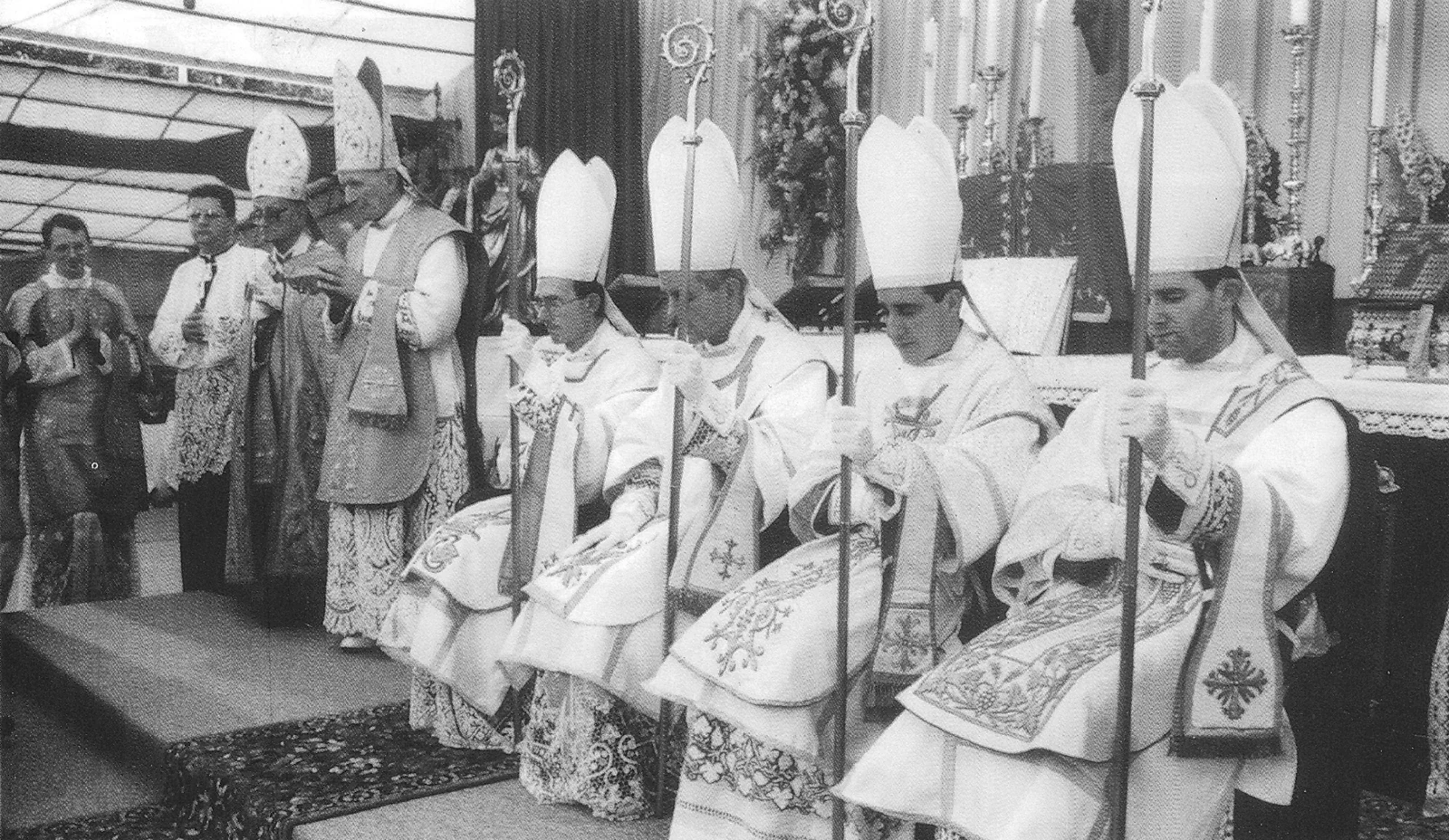
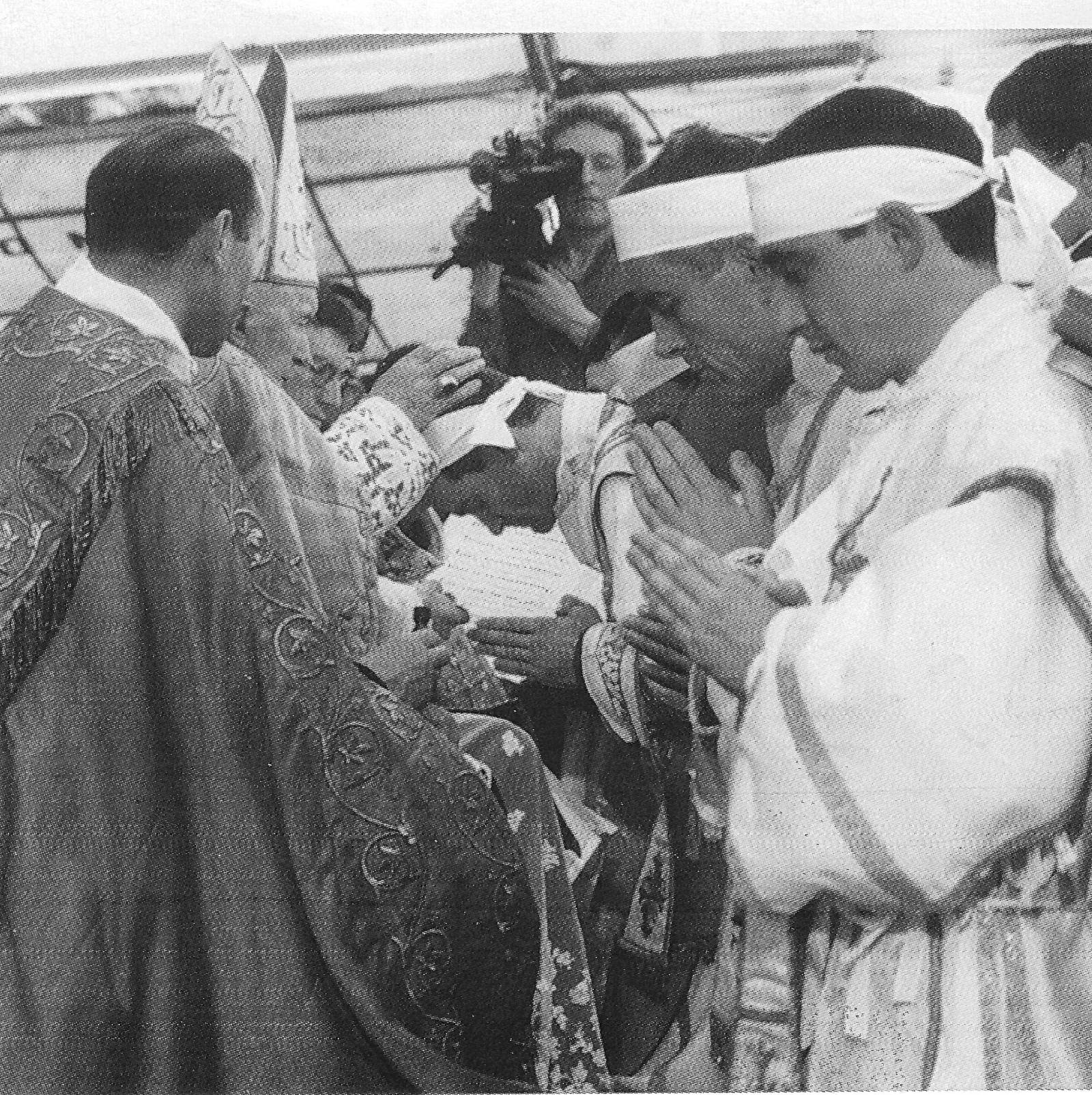
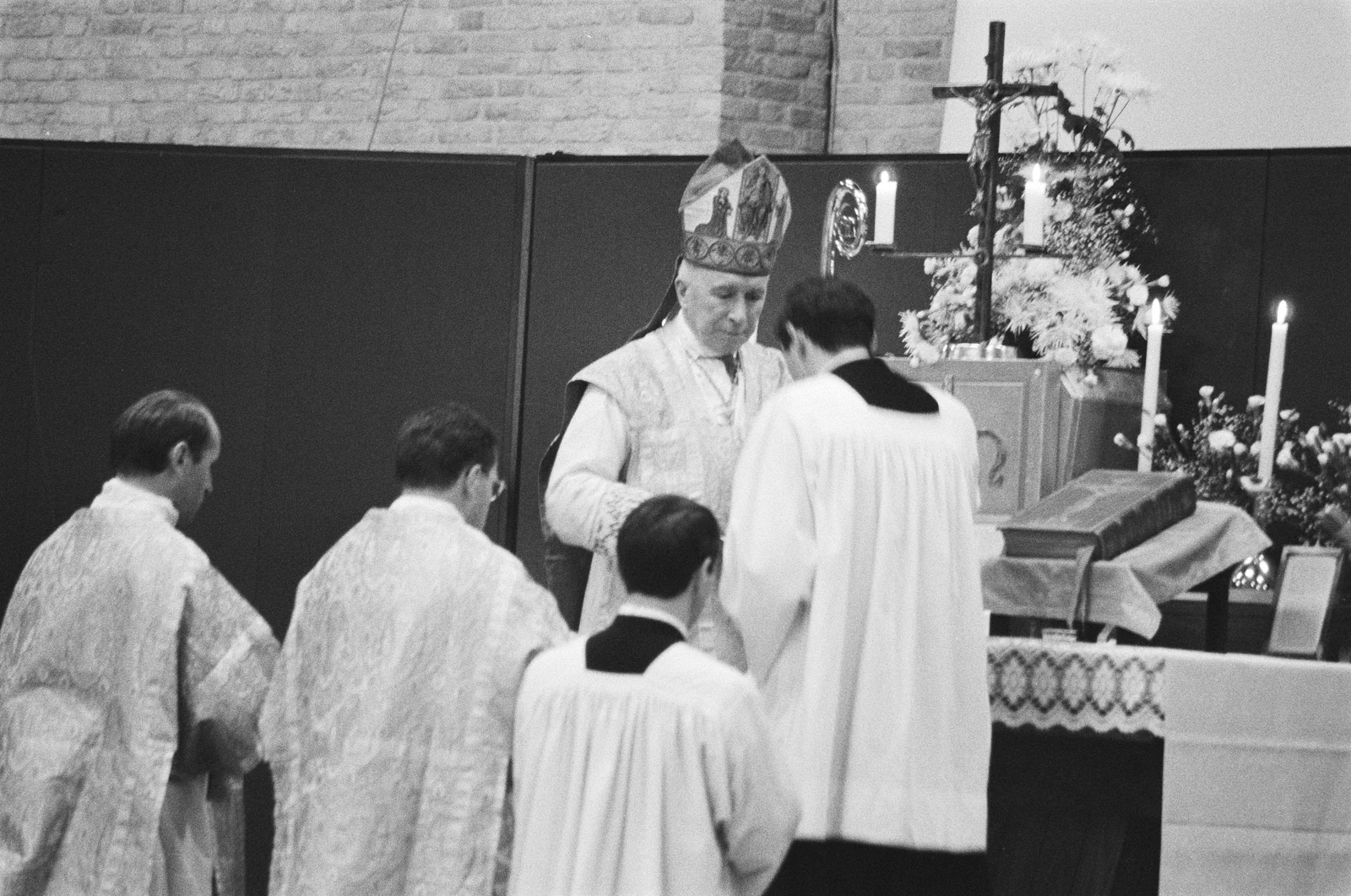
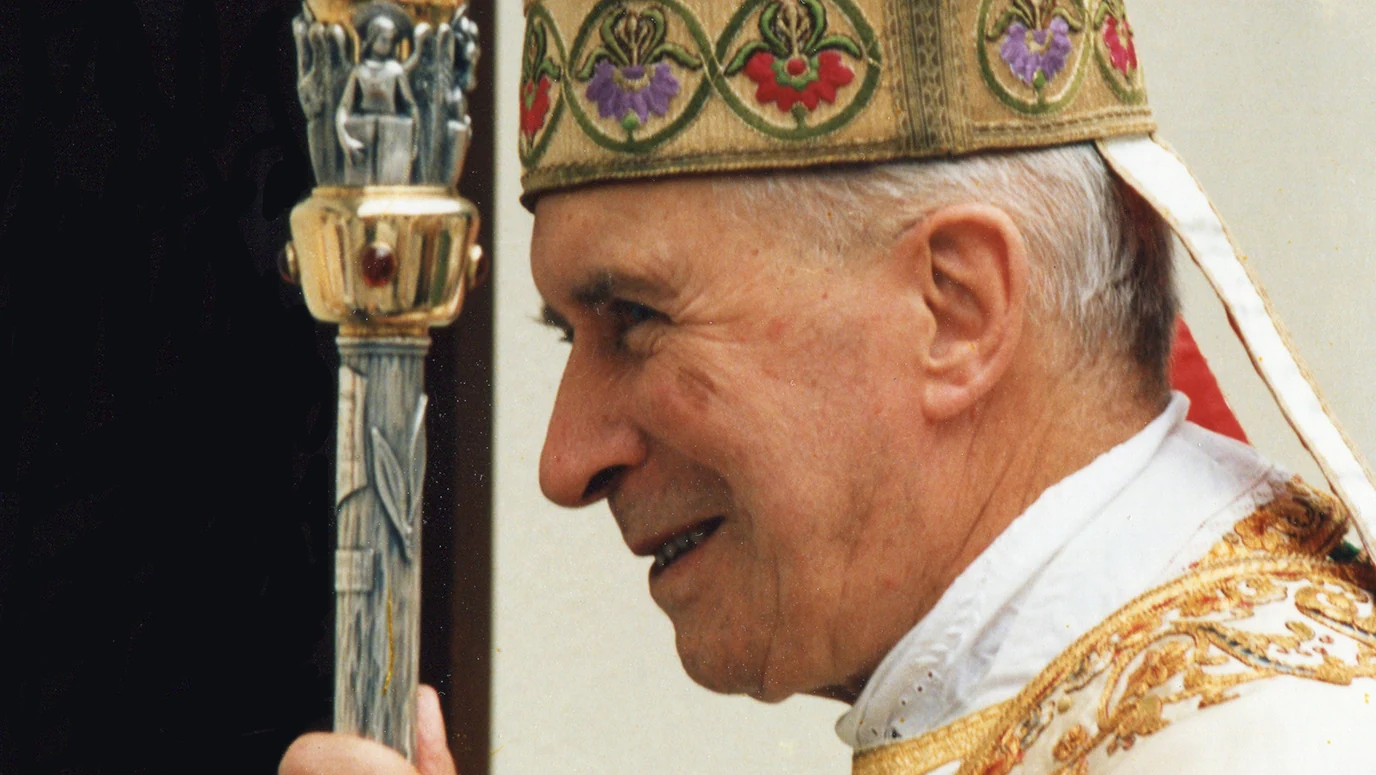
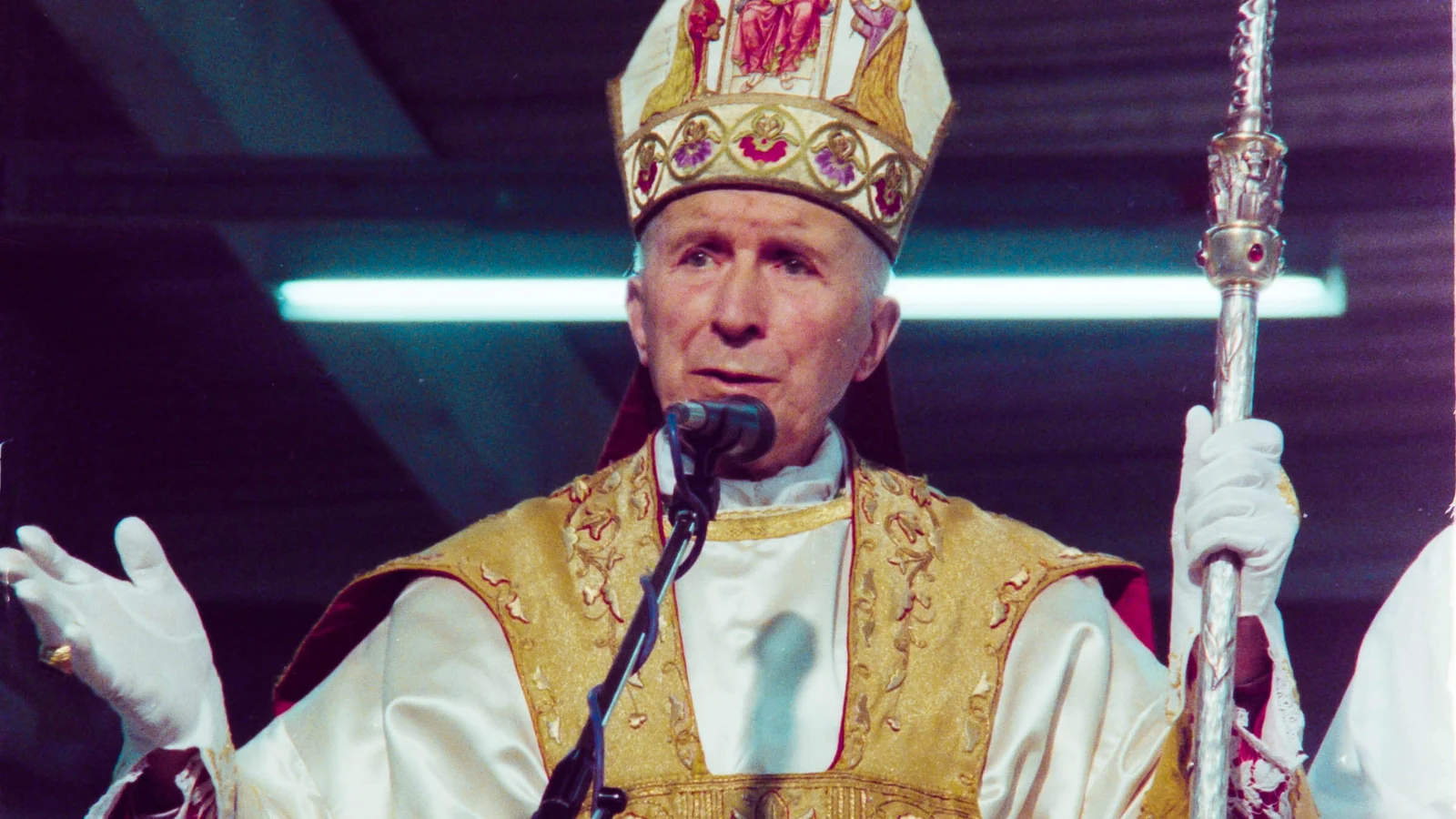
On June 30, 1988, at Écône, he and Bishop Antônio de Castro Mayer consecrated Bernard Fellay, Bernard Tissier de Mallerais, Richard Williamson and Alfonso de Galarreta without a papal mandate and against the expressed will of Pope John Paul II. The Holy See formally declared the excommunications on July 1. In Ecclesia Dei, dated July 2, John Paul II condemned the consecration as a schismatic act, stressing its disobedience in a matter essential to the unity of the Church.
The SSPX denied a schismatic intention. It invoked an exceptional state of necessity and maintained that the new bishops received neither jurisdiction nor canonical mission. These arguments did not remove the Holy See’s contrary judgment. The gravity of those days lay in that unresolved conflict between the duty he understood and the obedience Rome required.
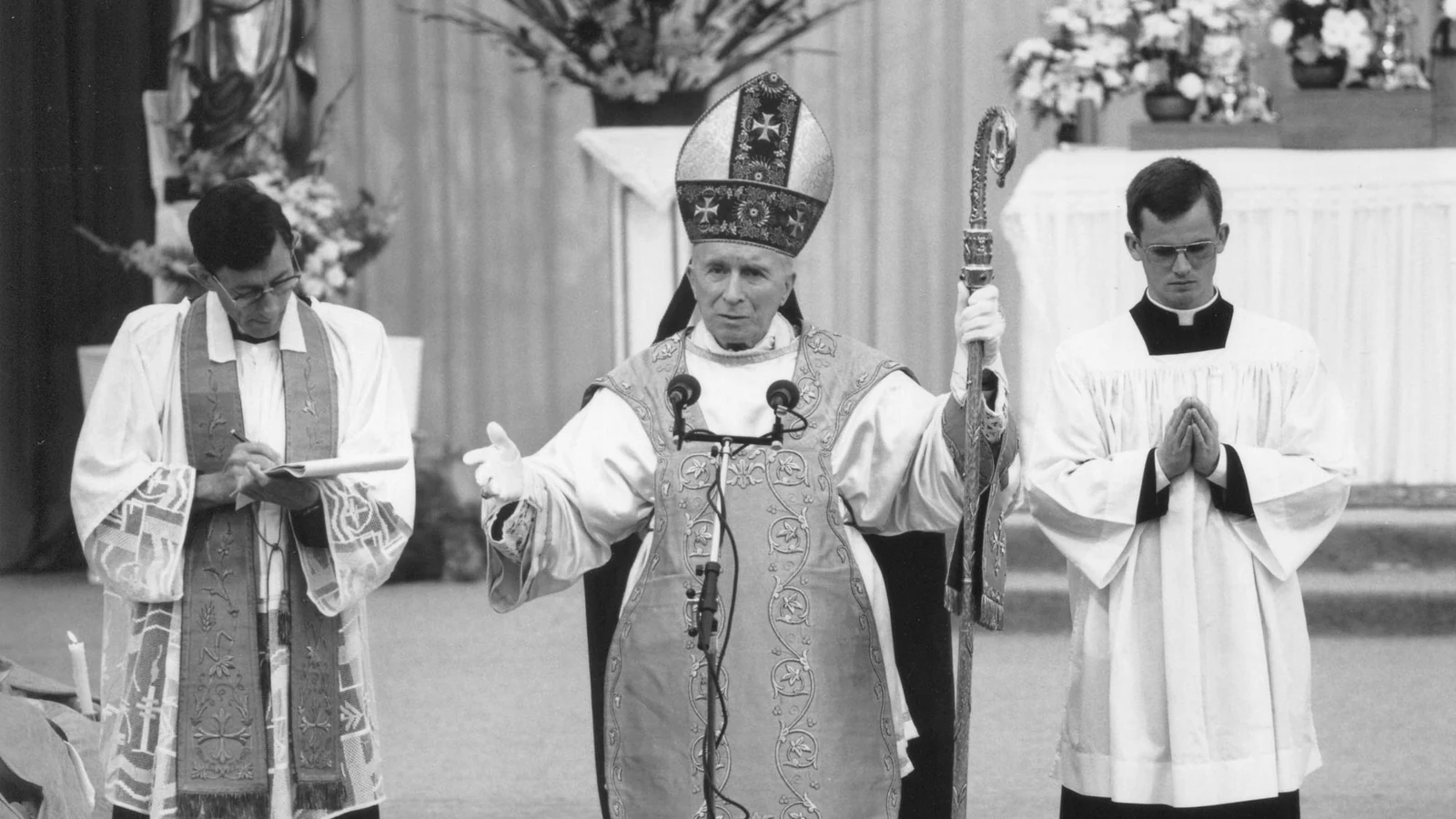
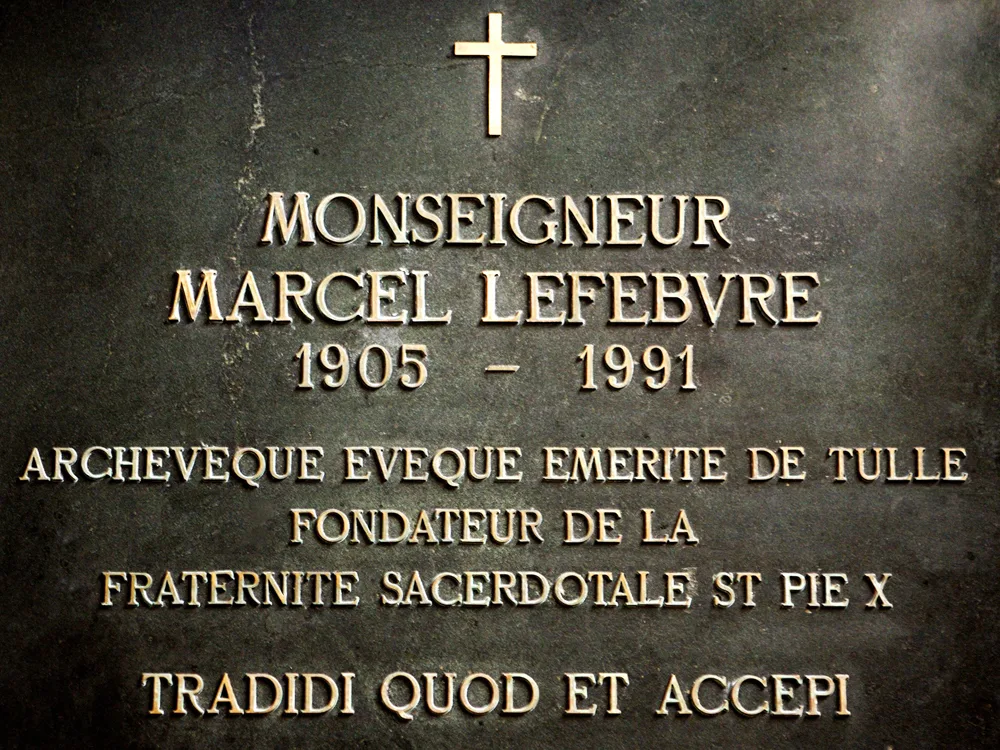
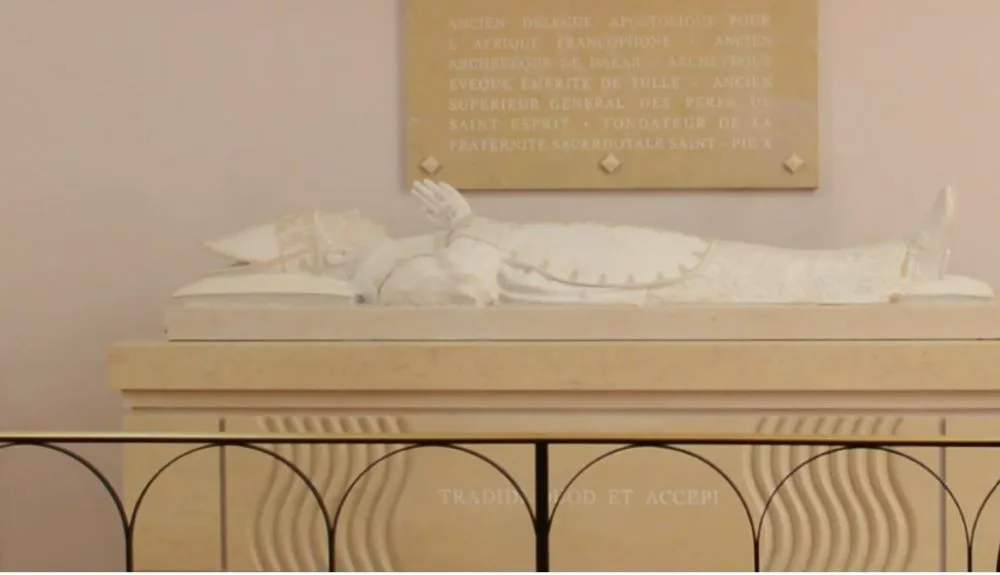
In the sermon that day, the image Lefebvre offered was deliberately modest: a messenger carrying what he had not written. His desired epitaph, Tradidi quod et accepi, drew on St. Paul’s language of receiving and handing on. It is a Pauline theme he made the measure of his own account of his life.
A later chapter in the canonical history must also be distinguished from 1988: on January 21, 2009, a decree issued under Benedict XVI remitted the excommunications of the four bishops consecrated that day. It concerned those four men, not a posthumous remission for Lefebvre himself, and did not by itself settle the Society’s wider canonical position.