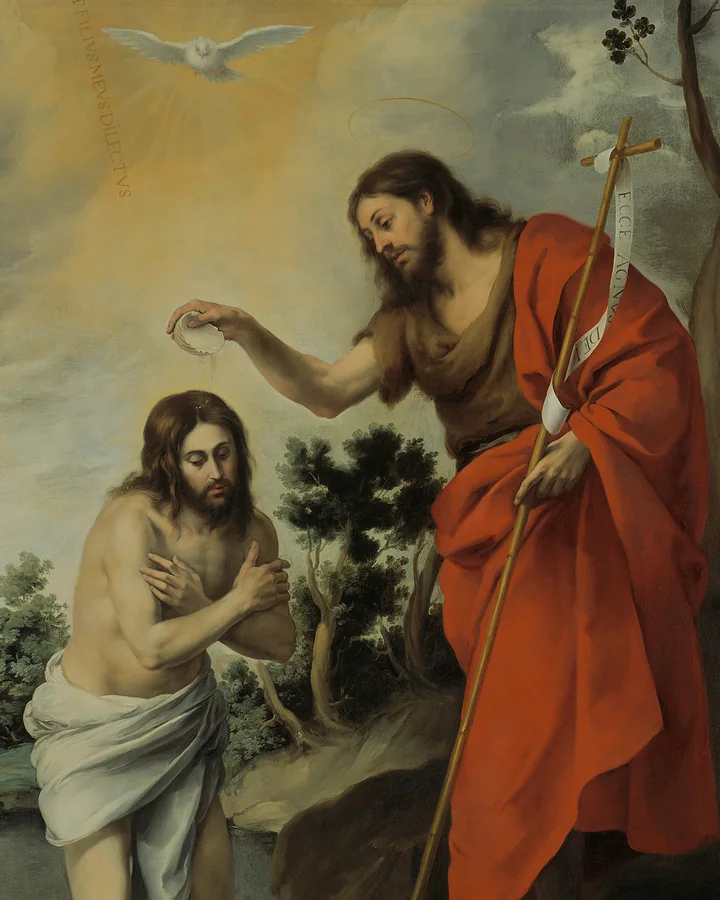
Baptism
“The gate, as it were, to all the other Sacraments, and by which we are born again unto Christ.”
Baptism washes away original sin and makes us children of God and members of His Church.
St. Vincent de Paul
Seven channels of grace, from the font to the hour of death
“A Sacrament is an outward sign instituted by Christ to give grace.”
“A Sacrament is a visible sign of an invisible grace, instituted for our justification.”
The Roman Catechism compares the seven sacraments to what every human life needs: “to be born, to grow, to be nurtured, to be cured when sick, when weak to be strengthened,” to have rightful shepherds, and to continue in children. At SVDP, the Traditional Latin Mass is offered every day, and the sacraments are given in their traditional rites.
Born again, strengthened and nourished in Christ
“The gate, as it were, to all the other Sacraments, and by which we are born again unto Christ.”
Baptism washes away original sin and makes us children of God and members of His Church.
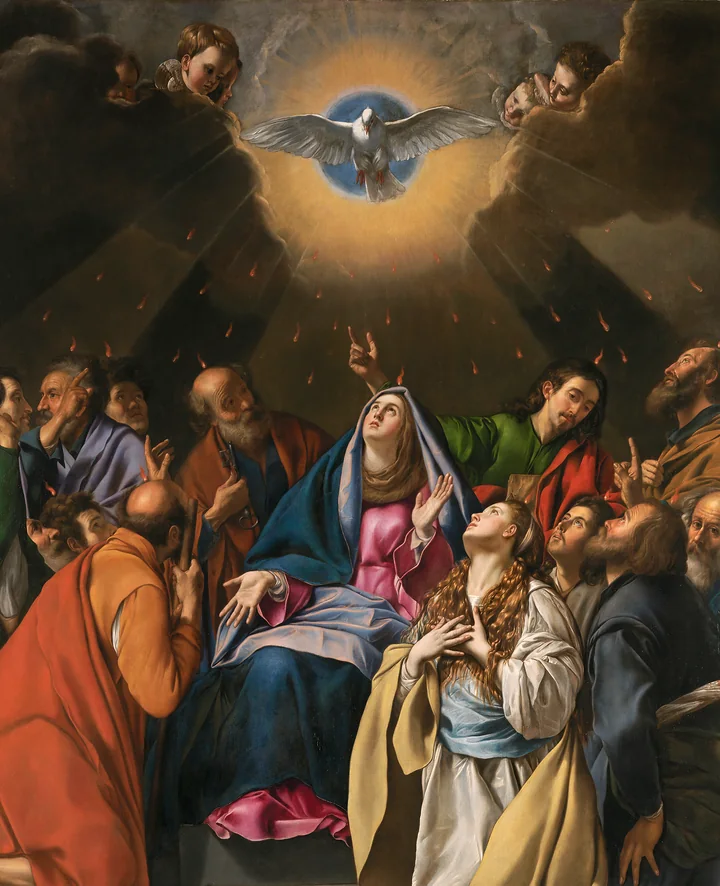
“By which we grow up and are strengthened in the grace of God.”
The bishop seals us with the Holy Ghost, making us strong soldiers of Christ.
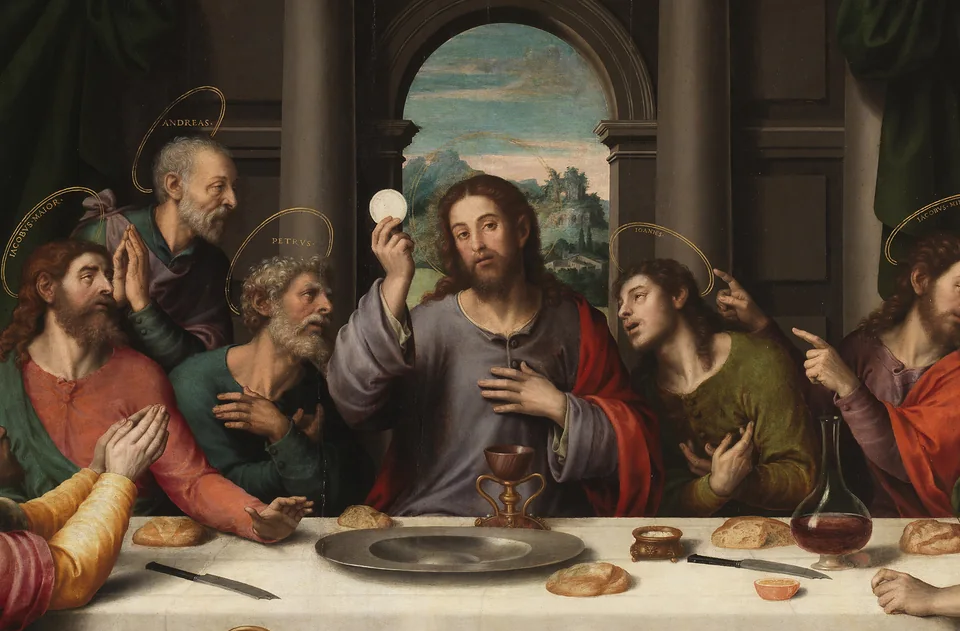
“That true bread from heaven which nourishes and sustains our souls to eternal life.”
Our Lord Himself, Body and Blood, Soul and Divinity, offered at Mass and received in Holy Communion.
Mercy for the soul, strength for the sick
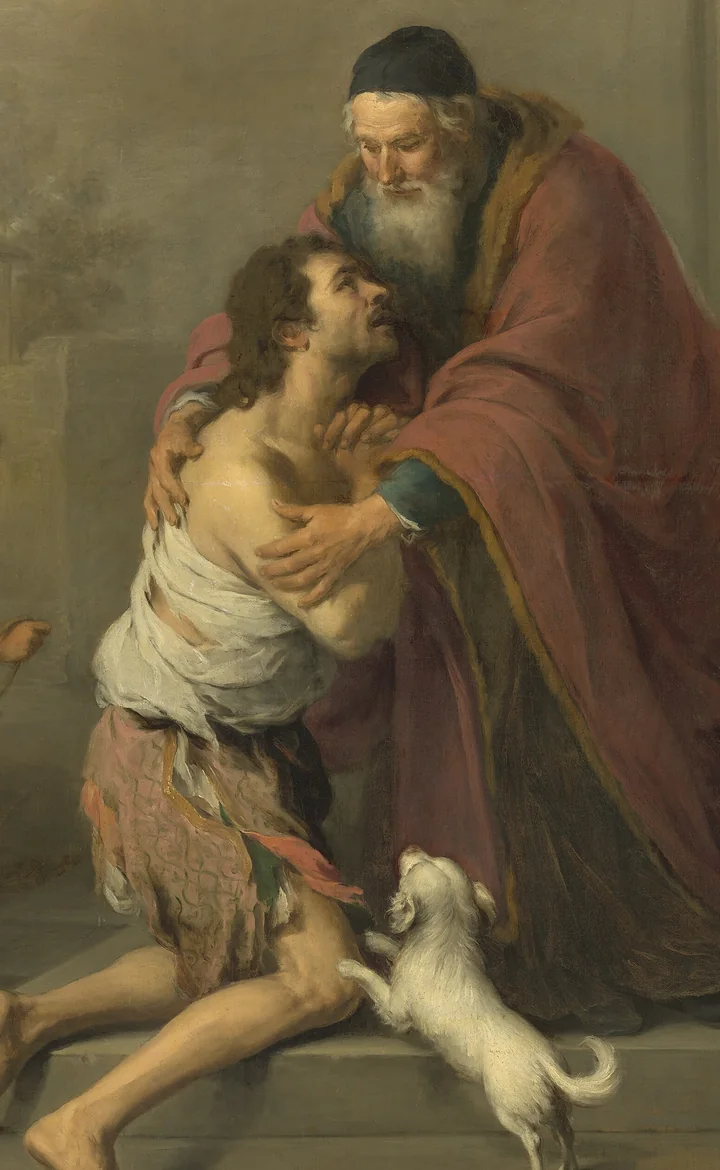
“Through which lost health is recovered after we have been wounded by sin.”
In Confession the priest absolves our sins and restores us to God’s grace and peace. Whether it has been a week or many years, you are welcome. Confessions are heard every week. Confession is also offered on First Fridays; see the bulletin for times.
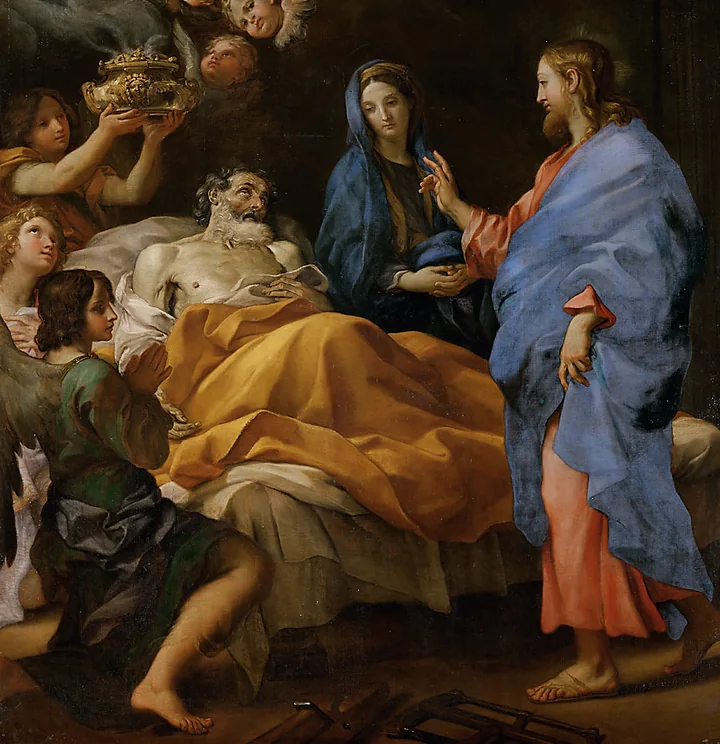
“Which obliterates the remains of sin and invigorates the powers of the soul.”
Anointing with holy oil gives strength, comfort and peace to the seriously ill. In a sacramental emergency, you may call the Priory at any hour, day or night.
For the Church and for the Christian family
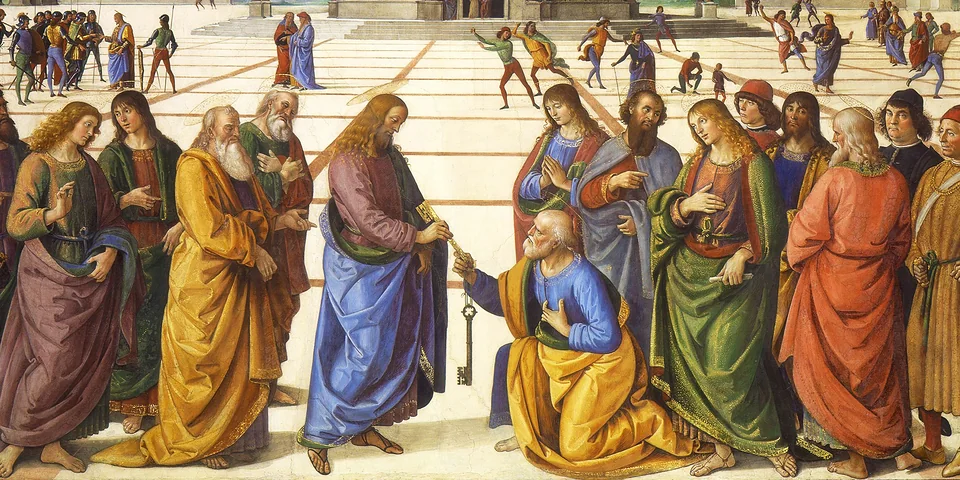
“By which power is given to exercise perpetually in the Church the public administration of the Sacraments and to perform all the sacred functions.”
Men are ordained priests to offer the Holy Sacrifice and bring the sacraments to souls.
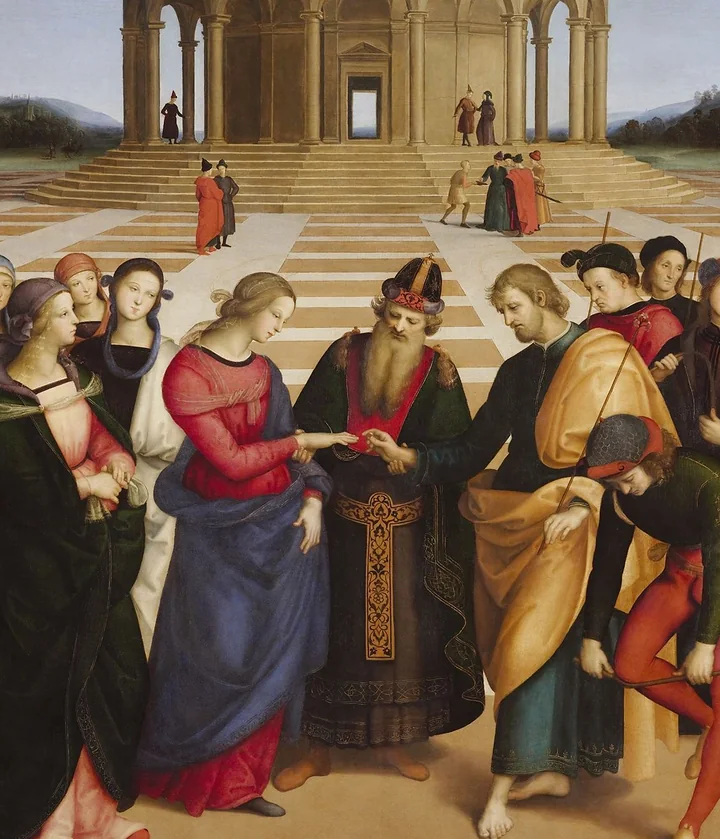
“Instituted to the end that, by means of the legitimate and holy union of man and woman, children may be procreated and religiously educated for the service of God.”
A man and woman are united for life, with grace to love faithfully and raise a family.
Confirmation is conferred by a bishop. Children who don’t attend the Academy are prepared in the Sunday catechism classes, held between the 7:30 and 9:30 Masses. Adults who have not been confirmed are welcome to ask about instruction.
Photos from Confirmations, October 15, 2026 (opens in a new tab). Thank you to Dan Roth and Mike Cerny for photographing the ceremony.
A Catholic funeral is centered on the Requiem Mass, offered for the soul of the deceased, followed by burial. The Church’s tradition is burial of the body; please speak with a priest before any plans for cremation.
First call: please let the priory know as soon as you can; the number is at the foot of this page. After office hours (4:30 p.m. to 9:00 a.m.), choose option 9 and follow the prompts. You may also ask for Masses to be offered for the deceased.
For someone who is seriously ill or dying, please see Extreme Unction & Sick Calls.
A step-by-step guide
Confession is God’s gift to the soul: in it Our Lord forgives every sin we humbly confess. Whether it has been a week or many years, you are welcome. The priest is there to help you.
Do your penance as soon as you can, and thank God for His mercy.
For when confession is heard, see Mass & Confession Times.
O my God, I am heartily sorry for having offended Thee, and I detest all my sins because I dread the loss of heaven and the pains of hell, but most of all because they offend Thee, my God, who art all good and deserving of all my love. I firmly resolve, with the help of Thy grace, to confess my sins, to do penance and to amend my life. Amen.
Sources: St. Michael’s Priory (SSPX), “How to make a good confession? In the confessional” (opens in a new tab) · SSPX USA, “Confession: God’s Gift to the Soul” (opens in a new tab)
Struggling with a particular sin? See Help for Spiritual Struggles.
Sacred Music
O Jesu Christe
Sung by our own SVDP Choir